
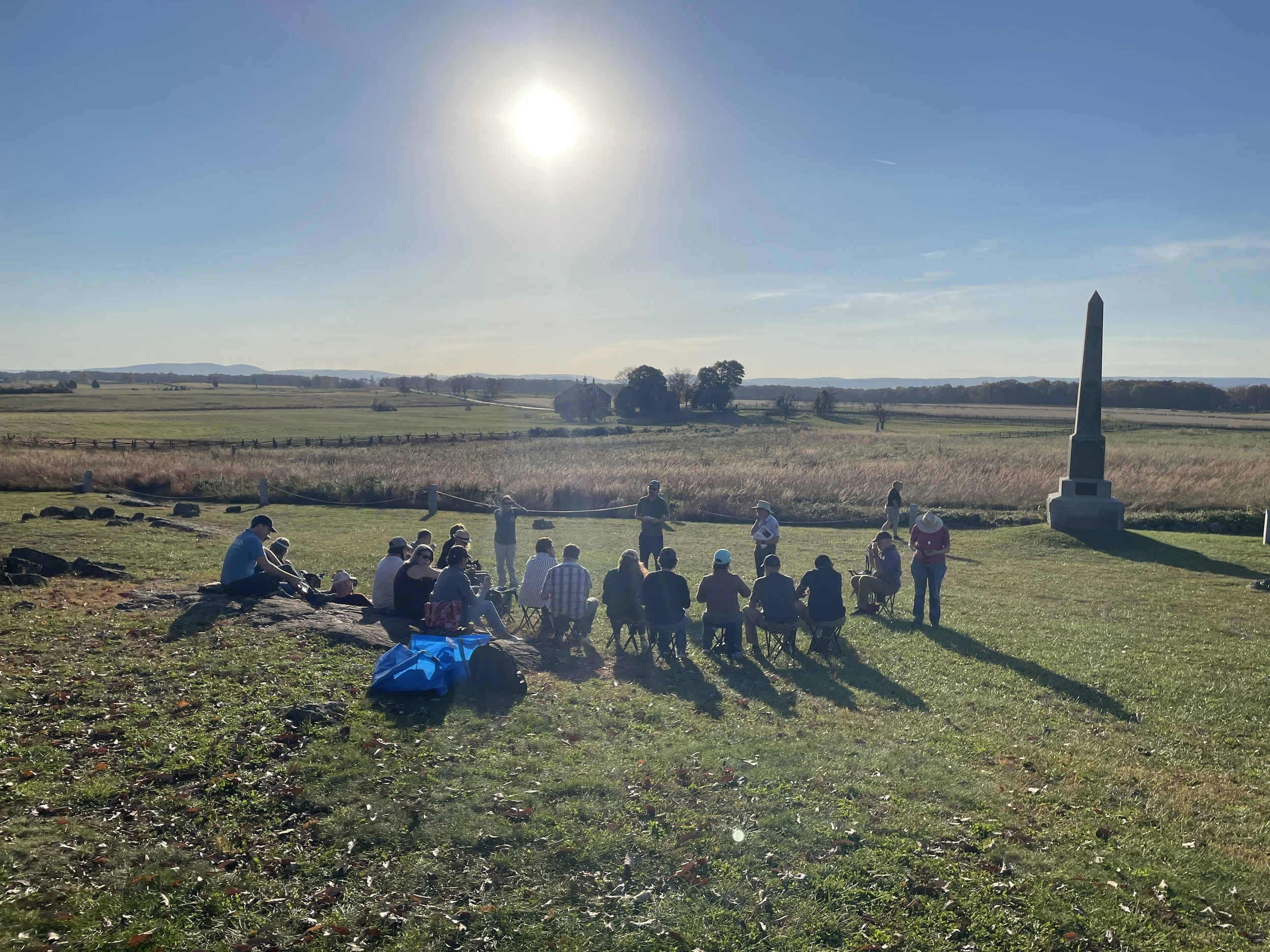
Better conversations lead to better decisions.
Most of the challenges organizations face aren’t technical problems. They’re human problems.
We each bring different experiences, values, assumptions, and incentives into every conversation. We talk past each other. We avoid difficult topics. We defend ideas we’ve already committed to instead of becoming curious about new ones. Sometimes we move so quickly that we never stop long enough to understand what’s actually happening. We don’t listen.
But when the environment is right, we start listening. We start paying attention to new things. We start learning. We start understanding.
My job is to create that environment.
Whether I’m facilitating a leadership retreat, coaching a client, or helping an organization navigate change, my role is the same: to create the conditions where people can slow down, think more clearly, and move forward together.
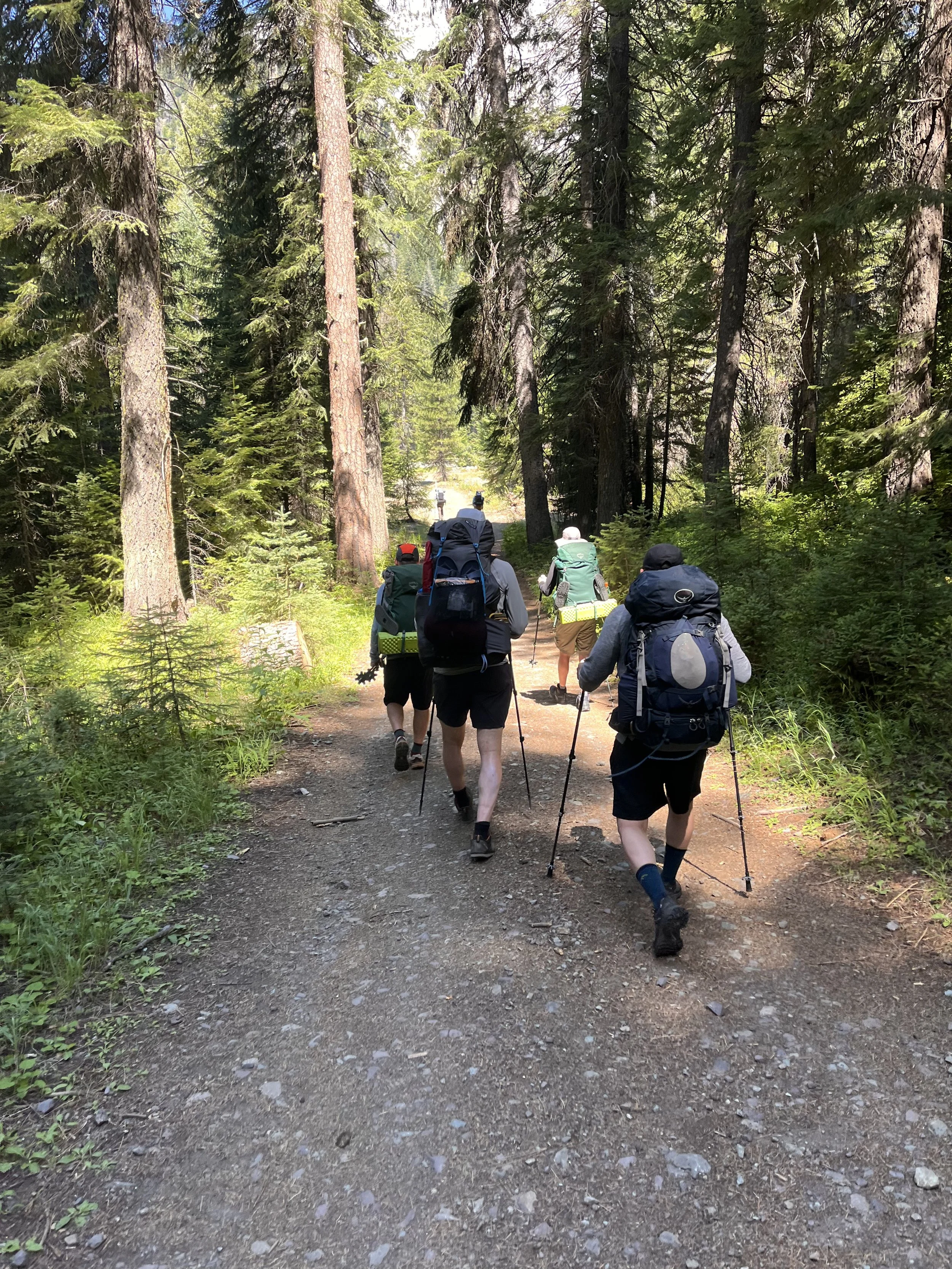
Why I often work outdoors.
If I have the choice, I’d rather facilitate a conversation on a trail than in a boardroom.
I’ve watched leadership teams have breakthrough conversations while walking through the woods, paddling a canoe, or simply taking a lap around the block. Something changes when we move.
The pace slows. Hierarchy softens. Silence feels natural instead of uncomfortable. We spend less energy performing and more energy paying attention.
Research increasingly supports what many of us have experienced firsthand: time in nature can restore attention, reduce stress, and encourage more creative and flexible thinking. Walking side by side also changes the rhythm of conversation in ways that make it easier to listen, reflect, and explore difficult questions.
That doesn’t mean every meeting belongs outdoors.
It does mean that where - and how - we meet shapes what becomes possible.
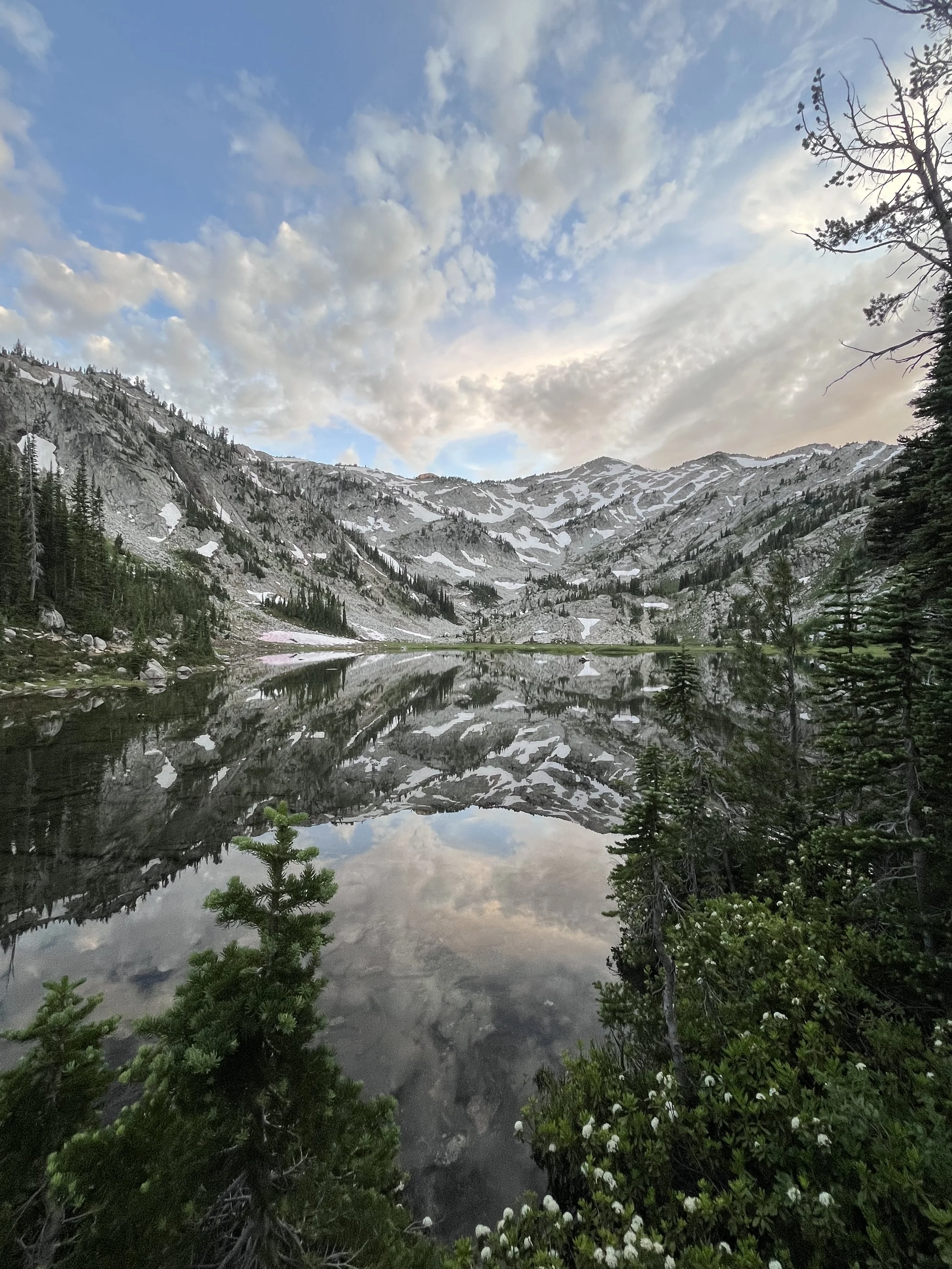
Grounded in reflection. Oriented towards action.
Reflection matters because awareness comes before change.
Most people already have a sense of what’s getting in the way. Organizations usually know where the friction exists. Teams often recognize the conversations they’ve been avoiding.
The challenge isn’t finding more information.
It is creating enough space to see clearly.
Reflection helps us notice the patterns, assumptions, and habits that quietly shape how we lead and work together.
But reflection is only half the process.
The goal isn’t to leave a retreat feeling inspired. It is to return to work knowing what needs to happen next - and having the commitment to make it happen.
And insight matters, because it can lead to action.
The principles that guide my work
Curiosity before certainty.
The best ideas usually emerge after we stop trying to prove we are right.
Move forward together.
My work isn’t to solve problems for clients. It’s to help leaders, teams, and organizations see their situation more clearly so they can solve the right problems together.
Relationships before solutions.
People support what they help create. Trust isn’t a byproduct of good work - it’s what makes good work possible.
Awareness before action.
We can’t change patterns we haven’t noticed.
Create the conditions.
Lasting change doesn’t happen because someone delivered the perfect presentation. It happens when people feel safe enough to think honestly, challenge assumptions, and imagine something different.