A few examples of my work
-
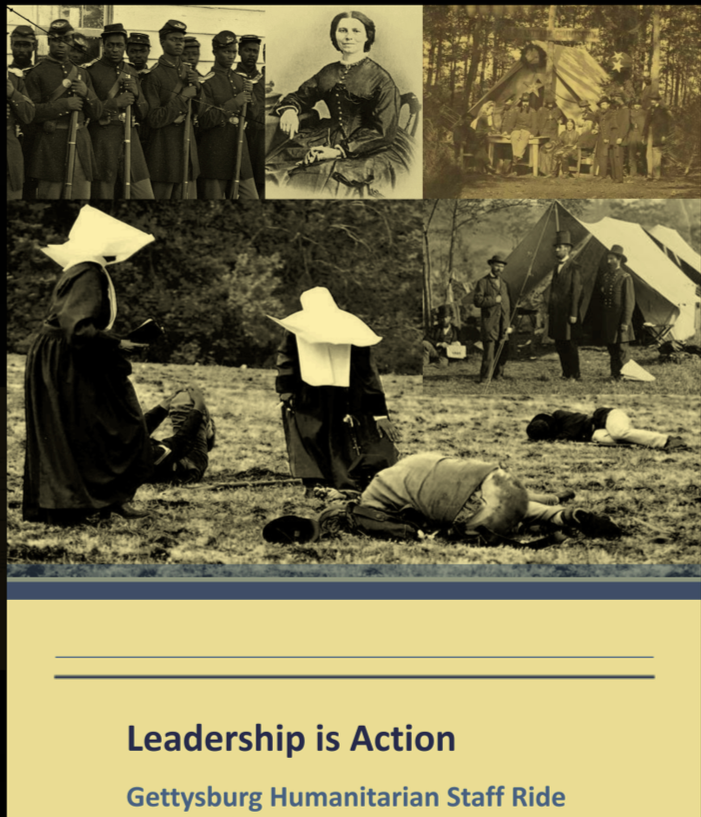
Humanitarian leaders routinely make decisions in environments of uncertainty, where the consequences extend far beyond the immediate crisis. These are people who are working around the world in disaster zones, war zones, and situations where people are in crisis. Over three years, I helped design and facilitate a leadership development program in Gettysburg, Pennsylvania that used history to help leaders think more deeply about responsibility, judgment, and the human impact of leadership.
Rather than treating Gettysburg as a military history lesson, we explored it as a complex humanitarian crisis. Participants examined not only the decisions of military leaders, but also the experiences of civilians such as Abraham Brian and Lydia Leister, whose homes became battlefields because of decisions made by others.
Experiences alone don't change people. Reflection does. My role wasn't simply to have people learn the history; it was to create space for leaders to wrestle with questions they rarely have time to ask in the middle of a crisis.
Throughout the program, we returned to questions like:
• Who isn't in this room?
• Whose perspective are we missing?
• What unintended consequences might today's decisions create?
Those same questions continue to shape how I facilitate leadership retreats, coach executives, and help organizations navigate complexity. My goal isn't to provide answers. It's to create the conditions for people to see their situation differently. And make wiser decisions because of it.
-
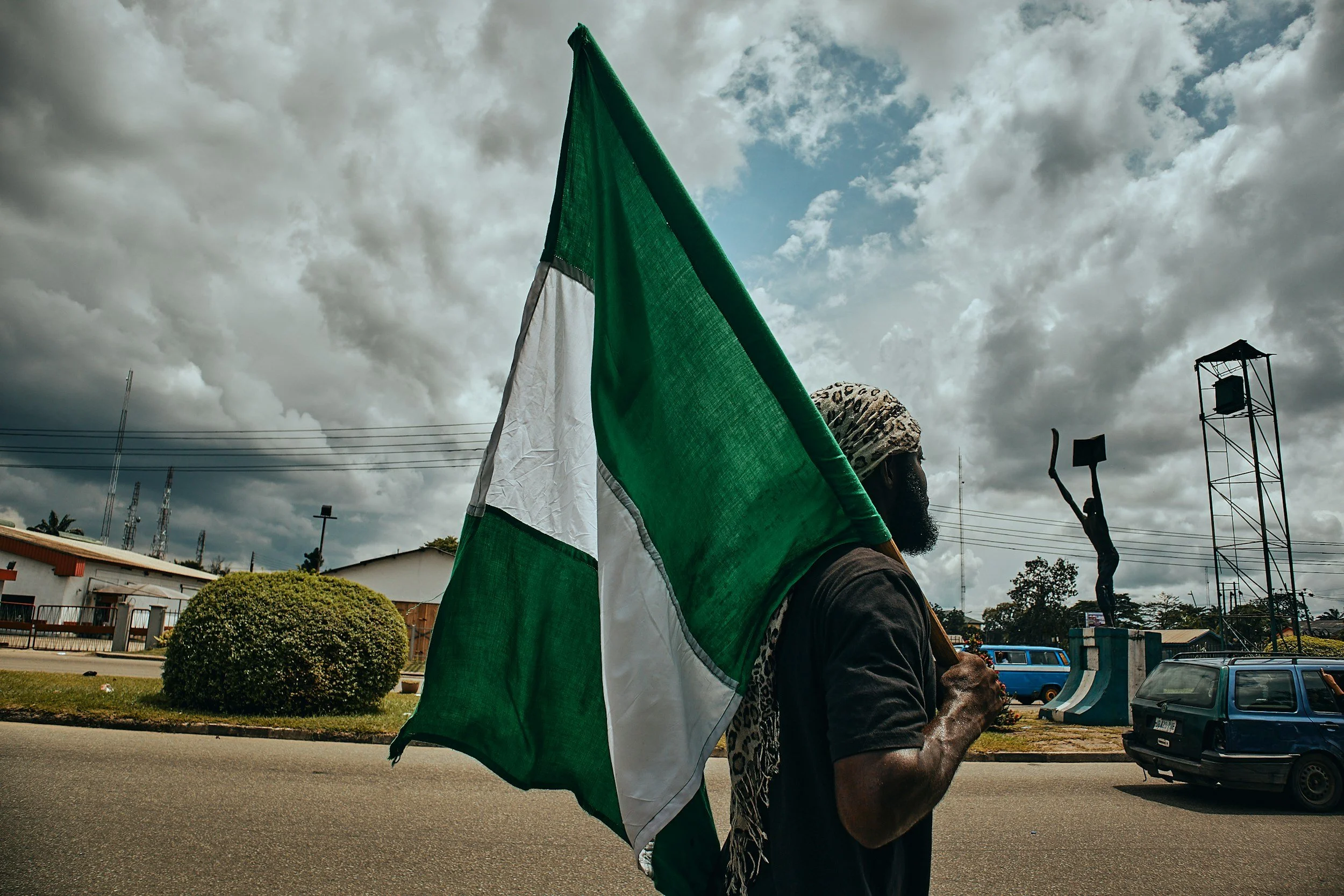
n 2024, I facilitated a weeklong workshop on Nigeria's emergency management systems. The room included leaders from the international development organizations and the Nigerian and U.S. governments.
These groups don't operate on the same timeline, answer to the same funders, or define success the same way. A government official thinks in terms of sovereignty and long-term capacity. An aid organization thinks in terms of speed and access. None of that is wrong. It's just not the same thing.
Most workshops like this ask people to set those differences aside for the sake of collaboration. I don't think that actually works. The differences are real, and they're not going away by the end of a week. So instead of trying to smooth them over, I tried to make them visible — to give people a way to see where their interests genuinely diverged from someone else's, and where they only appeared to.
That distinction matters more than it sounds like it should. A lot of what looks like conflict between organizations is actually just people solving different pieces of the same problem without realizing it.
We used a few structured tools to get at this — not because the tools were sophisticated, but because they slowed people down enough to ask questions they don't usually have time for: What are we actually disagreeing about? Whose problem is this, really? What would we be able to see if we weren't looking at this from inside our own organization?
By the end of the week, something had shifted — not agreement, exactly, but a shared willingness to try something that hadn't been on the table before.
A pilot project emerged. I don't know yet whether it will work. That was never really the measure I was working toward. What I was after was whether the group could think differently about the problem than they had five days earlier. On that, I think it succeeded.
-
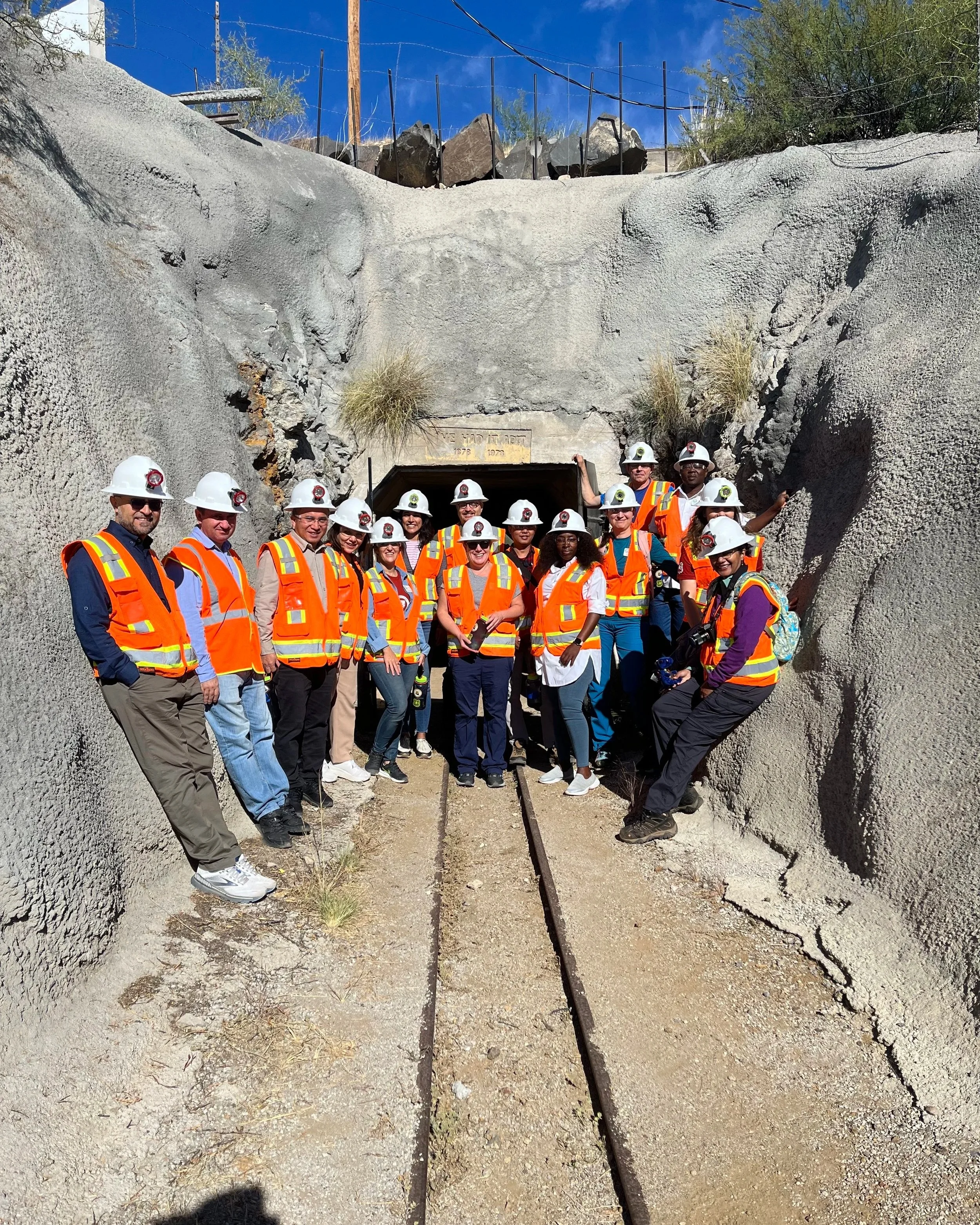
In 2023, I partnered with the U.S. Forest Service to facilitate a two-week leadership seminar for international experts exploring a difficult question: How can governments, communities, and the mining industry work together to ensure mining is safe, legal, and creates lasting benefits for everyone involved?
Rather than keeping the conversation in a conference room, we spent two weeks traveling across Arizona. Participants met with government officials, mining companies, Indigenous communities, and residents whose lives were directly shaped by the industry. We walked through active mining sites, hiked in the Sonoran Desert, shared meals, and spent time listening before trying to solve anything.
What I remember most wasn't a particular meeting or recommendation. It was watching people begin to understand the problem from perspectives they hadn't considered before. Conversations became less about defending positions and more about asking better questions.
I've found that the environment shapes the conversation. Sometimes the most important thing a facilitator can do isn't introduce a new framework—it's create the conditions for people to encounter a problem differently.